Recently, the Sichuan New Power System Innovation Base (Xinjin Testing Center), designed and managed through full-process consultancy by China Qiyuan Engineering Corporation, was officially put into operation.
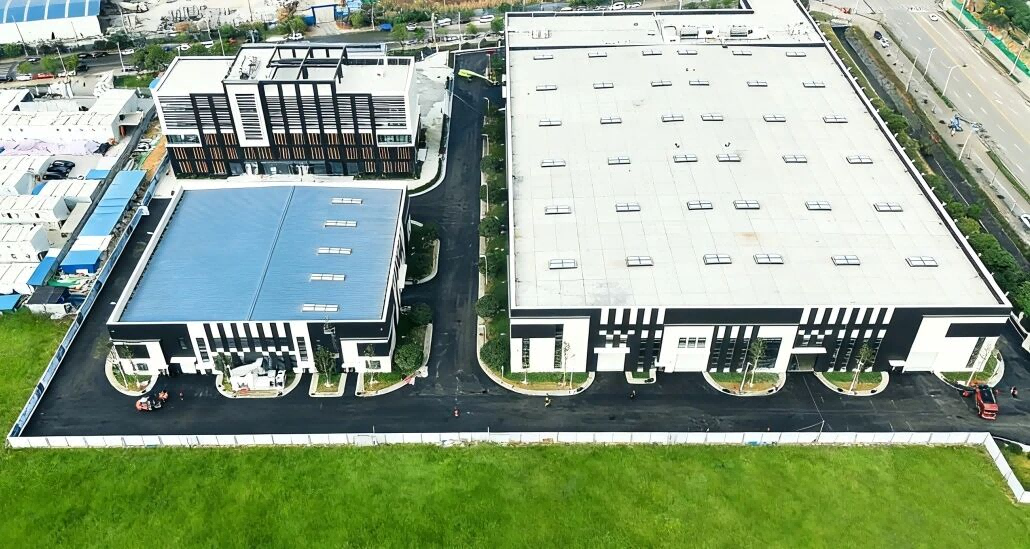
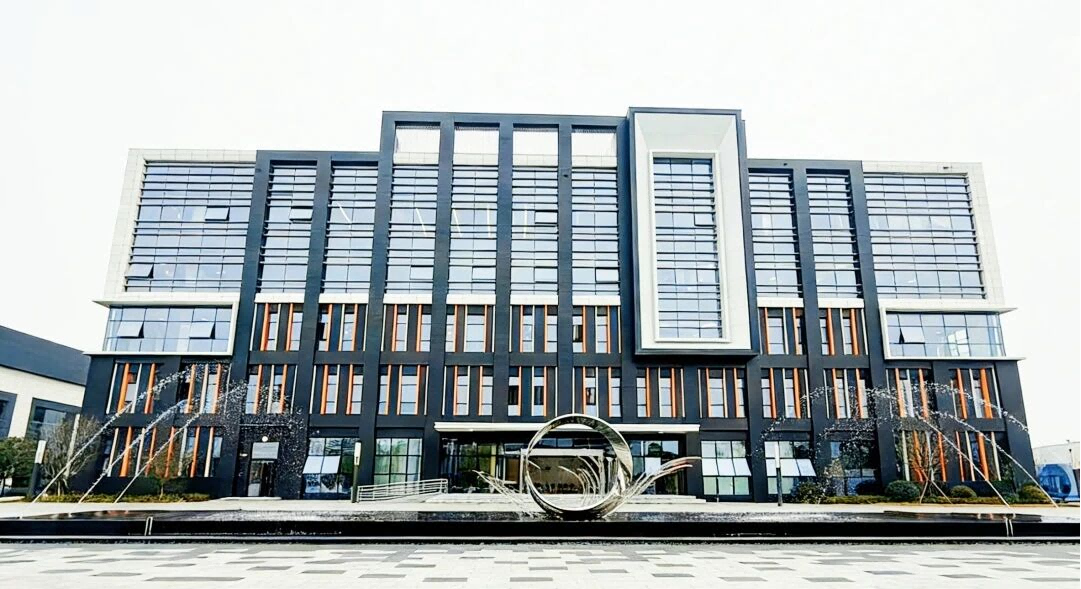
With a total investment of approximately RMB 180 million, the project is located in Xinjin District, Chengdu. It covers an area of about 48.92 mu, with a total floor area of roughly 26,000 square meters. The construction includes four core functional zones: a power grid materials quality testing center, an impulse current testing laboratory, a comprehensive laboratory building, and a general service building. The base is primarily dedicated to the transformation of scientific and technological achievements and the provision of industrial services. As the most comprehensive and technologically advanced power research and testing base in Southwest China, it will leverage an integrated testing + R&D + transformation + service full-chain capability to provide critical technical support for the safe operation of power systems and industrial development in the Chengdu–Chongqing region and the broader Southwest.
During project implementation, the team adopted an efficient collaborative model integrating design with full-process consultancy. On the one hand, whole-life-cycle management concepts were embedded at the design stage. In specialized designs covering power testing processes, green building and energy efficiency, and sponge city solutions, the design team considered construction feasibility, operational and maintenance convenience, and cost efficiency in advance, laying a solid technical foundation for the subsequent “three controls and one management” of full-process consultancy. On the other hand, consultancy management fed back into design optimization. Through investment and schedule control, the consultancy team provided timely feedback on the economic efficiency and practicality of design solutions, promoting their dynamic optimization and forming a positive two-way interaction between design and management. This practice effectively broke through the limitations of traditional management models, ensured project feasibility and sustainability, and offers a replicable management model for other technology-intensive projects requiring multidisciplinary coordination.


